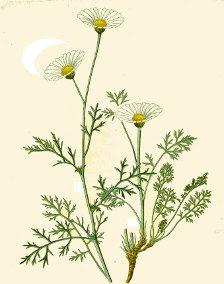
 Tanacetum cinerariifolium
Pyrethrum
Originally from the
Balkans and sometimes still known as Dalmatian pellitory, pyrethrum has
been used as a pesticide since at least 1697. African Americans burned
this flower to repel and kill mosquitoes indoors (it still goes into
old-fashioned mosquito coils), and British country folk mixed the plant
with bedding for animals to help repel ticks and other vermin, and hung
it from the rafters to help repel bugs in the house. Sounds
like it would have made a fine strewing herb as well. The advantages of
this insecticide are that you grow it yourself, so you are not
dependent on the pesticide industry, and it biodegrades, especially in
the presence of light. It's one of the few pesticides that is allowed
around food. There is a big difference between pyrethrins, which come
from plants, and pyrethroids, which are manufactured in a
chemical plant. Pyrethrins are toxic to fish but only mildly toxic to
birds and mammals. Some information says that you can grow
this to repel insects in your garden. That is no more true of this
plant than of other members of this family that are aromatic, like tansy. It is the
drying and powdering that turns the flowers into good pesticidal
material. Most of the toxic chemicals in this flower are located in
parts that don't come into contact with pollinating insects, so you
don't have to worry about this plant hurting bees in your garden,
either. Because of its mundane uses, consider this Sun herb for magical
protection and banishing--nice for garden borders for that reason. Also
known as Dalmatian insect flower, Dalamtian pyrethrum, Pyrethrum
cinerariifolium, Chrysanthemum cinerariifolium.
How to Grow Pyrethrum
Barely cover
to germinate in 14-28 days at room temperature. Transplant out to full
sun. This plant likes rocky, dry soil and not a lot of humidity. It
gets 14-18"/35-45cm tall and 24"/60cm wide. Pyrethrum is a perennial
hardy to -35F/-35C (zone 3), but it does not like the humid South. Pick
the flower heads when open; dry them and store in a jar to be powdered
or crumbled when necessary. They stay good for years. The yellow
centers have more pesticide than the white rays. Even though this is a
low-harm pesticide, don't be careless with it. General
growing info
Tanacetum
cinerariifolium
Pyrethrum
100 seeds $3.75
Uses
in Witchcraft & Magic:
Protection
Banishing
Sun Herb
© 2010-2024; No reproduction without permission